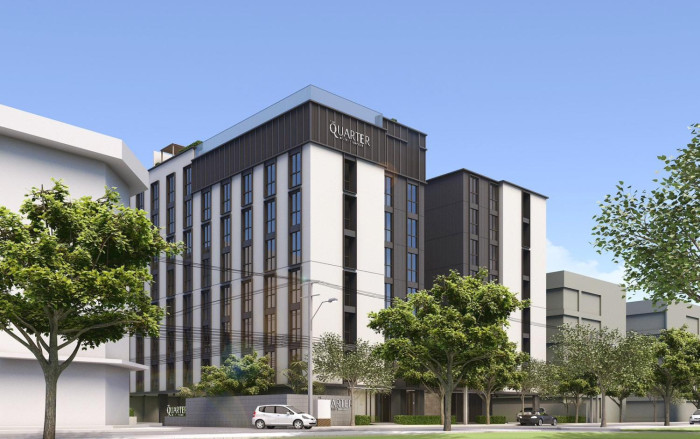

Bangkok's property market continues to exhibit remarkable resilience and dynamism, attracting significant interest from both local and international investors. Despite global economic fluctuations, the city's strategic location, growing economy, and vibrant lifestyle underpin a robust real estate sector. This article delves into current trends, highlights key investment opportunities, and provides practical advice for foreign investors and expatriates navigating the Bangkok property landscape.
Current Trends in the Bangkok Property Market
Strong Demand in Core Urban Areas
The demand for residential and commercial properties remains exceptionally strong in Bangkok's prime urban centers. Areas such as Sukhumvit, Silom, and Sathorn continue to be highly sought after, driven by their excellent connectivity, proximity to business districts, international schools, healthcare facilities, and a plethora of lifestyle amenities. These areas consistently command premium prices and rental yields due to their enduring appeal to both local professionals and expatriates.
- Sukhumvit: Known for its diverse residential options, from luxury condominiums to serviced apartments, Sukhumvit offers unparalleled convenience with its BTS Skytrain line. It remains a hub for expatriate communities, offering a wide array of international restaurants, shopping malls, and entertainment venues.
- Silom/Sathorn: As Bangkok's traditional financial and business district, Silom and Sathorn attract a strong corporate and professional tenant base. The area is characterized by high-rise office buildings, upscale condominiums, and luxurious hotels, providing a sophisticated urban living experience.
Rise of Mixed-Use Developments
A significant trend shaping Bangkok's property market is the increasing prevalence of mixed-use developments. These integrated projects combine residential units, commercial spaces (offices and retail), hotels, and lifestyle amenities within a single complex. This approach caters to the modern urban dweller's desire for convenience, efficiency, and a holistic living experience, reducing commuting times and fostering a sense of community.
Examples of successful mixed-use developments include One Bangkok, Dusit Central Park, and The Forestias, which are redefining urban living with their comprehensive offerings. These projects often incorporate green spaces, advanced technology, and sustainable design principles, appealing to a discerning market segment.
Foreign Investment in Condominiums Remains Robust
Foreign ownership of condominiums in Thailand is permitted up to 49% of the total unit area of a condominium project. This legal framework, coupled with attractive rental yields and potential for capital appreciation, continues to draw foreign investors. The strong U.S. Dollar and Euro against the Thai Baht in recent periods have made Thai property even more appealing for overseas buyers.
Investors from China, Hong Kong, Singapore, and increasingly, Europe and the Middle East, are actively participating in Bangkok's condominium market. They are primarily interested in high-end, strategically located units that offer strong rental income potential or serve as a second home.
Investment Opportunities and Practical Advice
Focus on Rental Yields and Capital Appreciation
When considering investment, foreign buyers should analyze both potential rental yields and long-term capital appreciation. Properties in well-connected areas with high demand from expatriates and affluent locals tend to offer better rental returns. Furthermore, properties within new, reputable mixed-use developments or those near upcoming infrastructure projects (e.g., new MRT/BTS lines) often present strong capital appreciation prospects.
Legal and Due Diligence Considerations for Foreigners
Foreigners cannot directly own land in Thailand, but they can own condominium units (within the 49% limit) or lease land for up to 30 years, with options for renewal. It is imperative to engage experienced legal counsel to navigate the complexities of Thai property law.
- Condominium Ownership: Ensure the condominium project complies with the foreign ownership quota. Funds for the purchase must be remitted from overseas in foreign currency and converted to Thai Baht in Thailand. A Foreign Exchange Transaction Form (FET Form) from the bank is crucial for this process and for future repatriation of funds.
- Leasehold Properties: For those interested in houses or villas, a long-term lease (typically 30 years with renewal options) is the most common legal structure. Thorough due diligence on the lease agreement, including renewal clauses and transferability, is vital.
- Company Ownership: While it is technically possible for a foreign-owned Thai company to own land, this route is fraught with legal complexities and risks, particularly concerning nominee shareholding structures, which are illegal. It is generally not recommended for residential property acquisition.
Emerging Neighborhoods and Infrastructure Development
Beyond the established prime areas, investors should also consider emerging neighborhoods that are benefiting from new infrastructure developments. Areas along the extended BTS and MRT lines, and those near new commercial hubs, often present more affordable entry points with significant growth potential.
- Bang Sue Grand Station Area: Slated to become Southeast Asia's largest railway station and a new transportation hub, this area is poised for significant development and property value appreciation.
- Eastern Bangkok (e.g., Bangna, Samut Prakan): With the expansion of the BTS Green Line and major retail developments like Mega Bangna and the upcoming Bangkok Mall, these areas offer more spacious living options and increasingly attractive investment opportunities.
Engage Professional Advisors
For foreign investors and expatriates, engaging a team of local professionals is indispensable. This includes a reputable real estate agent, an experienced Thai property lawyer, and an accountant. These professionals can provide invaluable insights into market trends, conduct thorough due diligence, ensure legal compliance, and assist with tax implications (e.g., property taxes, rental income tax, capital gains tax).
The Bangkok property market offers compelling opportunities for those willing to conduct thorough research and seek expert advice. Its continued growth, coupled with a transparent legal framework for condominium ownership, makes it an attractive destination for property investment in Southeast Asia.